
Anxiety TherapY In Houston
Our Values:
Authenticity
‣
Openess
‣
Kindness
‣
Our Values: Authenticity ‣ Openess ‣ Kindness ‣
Anxiety Therapist for Moms | Houston
Dallas, Austin, & San Antonio
Anxiety can keep you stuck in patterns that erode your well-being.
For many moms, this looks like people-pleasing, perfectionism, and difficulty setting boundaries.
But you can unlearn these patterns and reclaim your life.
Choosing therapy for anxiety can help you find freedom, balance, and a deeper connection with yourself. Start the process today.
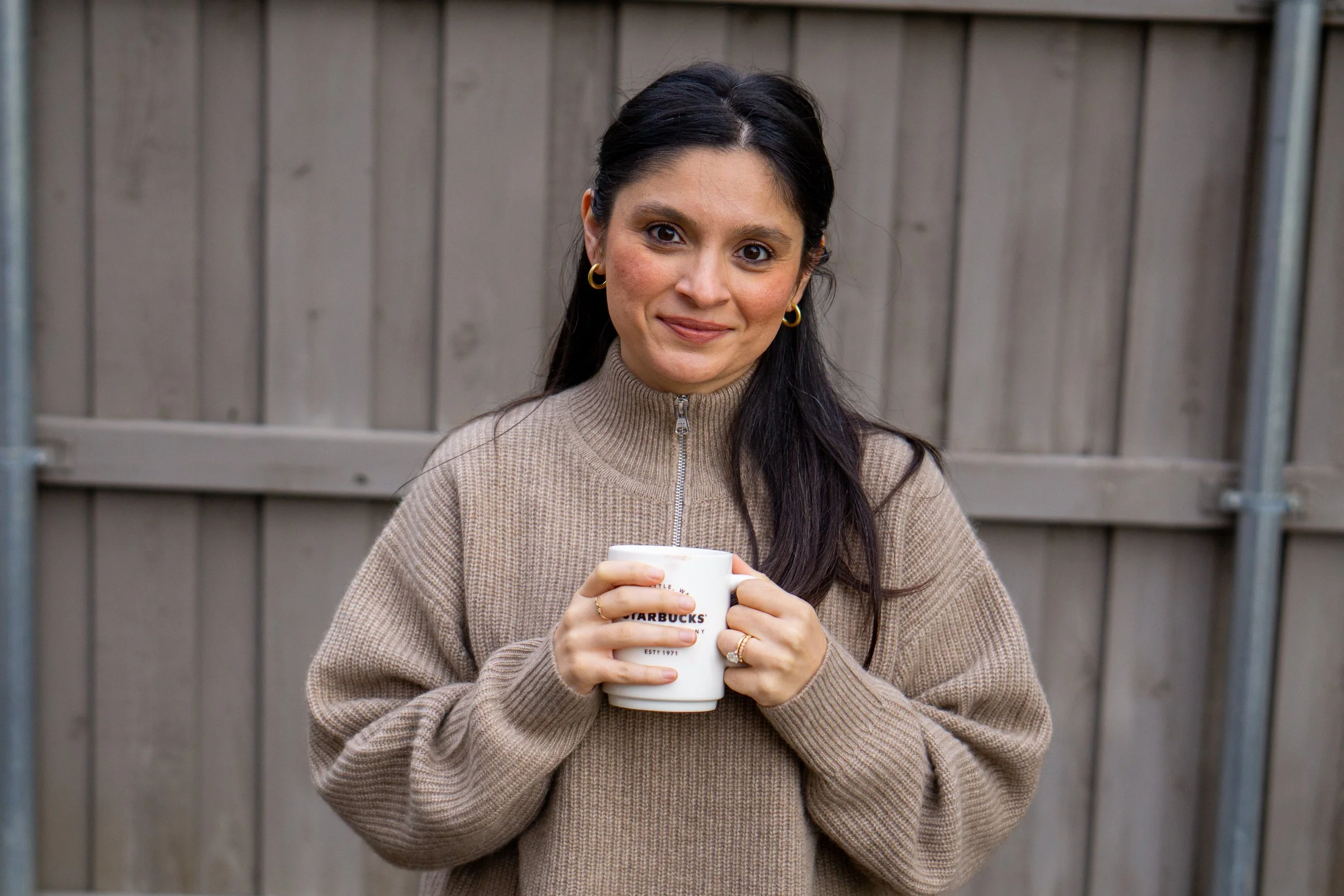
Meet Sanah Kotadia | Houston anxiety therapist
You didn’t create your anxiety, but you can heal from it. For so many women, anxiety comes from sources outside of themselves: family roles, cultural expectations, societal standards, and more. Intergenerational trauma hands us worn-out old patterns that, while they may have helped past generations survive, keep us stuck in a constantly heightened state. You’ve learned how to keep hard emotions at bay, but the cost of this hyper-vigilance is anxiety, disconnection, and an unsatisfying life.
Together, we can change that. The talk therapy approaches I use to treat anxiety are gold standards in the field of therapy. Cognitive Behavioral Therapy (CBT) is the central pillar of all my work. CBT helps us understand how our thoughts, feelings, and behaviors are all connected. Armed with insight into the internal and external patterns that are holding you back, you'll be to shift your mindset, connect with empowering core beliefs, and create real changes in your daily life.
I also use an attachment-based approach to anxiety treatment. Through this lens, we’ll examine how early life events shape the way you relate to other people. Together, we’ll discover whether you have a secure, anxious, avoidant, or disorganized attachment style (learn more about each type here). By understanding our relationship blueprint, we can learn new ways of connecting with others that contribute to healthier, more fulfilling relationships.
I also use Interpersonal Therapy in my work. You'll learn new communication skills and constructive ways of resolving conflict. If you’ve dealt with anxiety, you may be used to hiding away your true self to "keep the peace." But I want to help you find your voice. An interpersonal approach will illuminate the dynamics of all of your relationships, from your partner to your mother-in-law to your best friend, and give you freedom to craft the kinds of relationships you want.
My personal experiences navigating anxiety and motherhood inform my compassionate approach to working with moms like you. I recognize the courage it takes to reach out for help and make big changes in your life, and I'd be honored if you let me walk this healing journey with you.

My approach to anxiety treatment in Houston, TX
I use a variety of talk therapy methods to help my clients find lasting relief from mental, emotional, and physical symptoms of anxiety disorders.
Cognitive behavioral therapy (CBT) is at the forefront of my work. This approach helps us understand how our thoughts, feelings, and behaviors are all connected. You'll gain insight into the patterns that keep you stuck, and, armed with this knowledge, you'll be able to start shifting your mindset and actions to see real changes in your daily life.
I also use an attachment-based approach to anxiety treatment. Through this lens, we can see how early life events shape the way we relate to other people. By first understanding our relationship blueprint, we can then learn new ways of connecting with others that contribute to healthier, more fulfilling relationships.
Interpersonal therapy is another component of my work. Here, you'll learn new communication skills and constructive ways of resolving conflict. This is especially important for those of us experiencing anxiety since we're often used to hiding away our true selves to "keep the peace." I want to help you find your voice. Using an interpersonal approach helps us better understand the dynamics of all our relationships (including romantic ones) and how to further understand ourselves and each other.
Who my anxiety disorder treatment is for

Women struggling with poor boundaries
-
Trouble with boundaries can be both a symptom and an effect of anxiety. We're often anxious about how others will respond if we say "no," so we tend to be passive and overextend ourselves. This only generates more overwhelm, which makes it difficult to manage stress. Together, we'll explore how you can put your own needs first. Common signs of poor boundaries include:
Feeling guilty or ashamed when trying to set boundaries.
Being passive and overly accommodating, even in situations that warrant assertiveness.
Taking on too much responsibility for others' feelings and actions.
Difficulty saying no to unreasonable requests or demands.
Constantly trying to please others, even at the expense of your own well-being.

Women struggling with people-pleasing
-
It’s impossible to feel calm, settled, or relaxed if you’re constantly trying to anticipate what others need, want, or expect from you. While people-pleasing is one of the coping skills many of us learned early on that keeps us connected to others and gains us approval, it ultimately leaves us feeling anxious and depleted. In anxiety therapy, you'll learn ways of grounding yourself that don't rely on focusing on others. Common signs of people-pleasing include:
Avoiding conflict and trying to keep the peace at all times.
Putting your own goals and aspirations on hold for the sake of others.
Prioritizing everyone else’s needs and feelings over your own.
Feeling unfulfilled and resentful in your personal relationships and other areas of life, such as work, identity, or parenting.
Going out of your way to please others, often to the point of exhaustion, resentment, and burnout.

Women struggling with perfectionism
-
There's nothing inherently wrong with having high standards for yourself—but if your mental health is suffering as a result, it's time to consider a new way of moving through the world. Doing therapy for anxiety can teach you how to embrace all parts of yourself—even the messy, uncomfortable ones. Common signs of perfectionism include:
Setting high, often unrealistic, standards for yourself—and maybe for others, too.
Extreme self-criticism and fear of making mistakes.
Procrastination or overthinking that leads to an inability to complete tasks, because the thought of not doing it perfectly is paralyzing.
An all-or-nothing thinking pattern—for example, things are either perfect or a failure.
Difficulty delegating tasks or asking for help.

Adult women with undiagnosed ADHD
-
So many women realize their neurodivergence later in life, because experiences like ADHD show up differently in women and girls. Living in a world that's not set up to support you can contribute to negative thoughts about yourself, loneliness, and anxiety. Together, we'll explore your experience of growing up with undiagnosed ADHD and build your self-esteem so you can feel confident and empowered to be you. Common signs of ADHD in women include:
Jumping from task to task, but struggling to complete things
Poor time management skills
Hyper-focusing on certain tasks or activities
Day-dreaming
Trouble staying organized
Difficulty starting tasks
Poor memory

Women with postpartum anxiety
-
If you're experiencing new or increased anxiety symptoms after welcoming your baby, you're not alone. Common symptoms of postpartum anxiety include:
Sleep problems, including difficulty falling asleep or staying asleep
Muscle tension, racing heart, upset stomach, restlessness, or a feeling of always being on edge
Uncontrollable worry, including worst-case scenario thinking
Racing thoughts or intrusive thoughts
Mood problems, like irritability or frequent crying
Avoiding certain people, places, or situations related to your anxiety

South Asian women
-
As a South Asian woman myself, I have an intimate understanding of the unique aspects of our culture. I'm also an oldest daughter, which can come with a lot of pressure (which you may know firsthand). While I work with people of all cultures and ethnic backgrounds, some people find it especially validating to have a therapist who "gets it" on a more personal level. Some advantages of working with a therapist who shares your South Asian heritage or culture include:
Not having to explain your family or culture before you can process its impact on you
Feeling seen by someone who shares a unique minority experience
Culturally sensitive therapy that won’t try to replace your values with mainstream norms that aren’t a good fit for you
Feeling like there is space to include not just the struggles, but also the unique strengths and resiliencies of your experiences and culture


FAQs about anxiety therapy in Houston
-
For a lot of moms who have it together on the outside, anxiety doesn’t always look like panic or worry. Sometimes what you’re feeling is actually anxiety, even if it just feels like you’re stuck in your head or always on edge. That’s where anxiety therapy for moms can make a difference.
It can show up as replaying conversations in your head, snapping at your family over small things, needing the dishwasher loaded just right, or just never really switching off, even when you finally sit down.
Anxiety therapy for moms is a space to figure out what’s underneath all that, and to practice new ways of handling it, not just powering through.
-
Yes. Just because you’re getting through the day doesn’t mean you feel okay inside.
A lot of moms keep up with work, school events, and family, but underneath, it feels like your brain never shuts off or that you’re always waiting for the next thing to go wrong.
Anxiety therapy can help you catch things before you hit that wall where everything feels too much. It’s about finding tools that actually fit your life as a mom, so you’re not just getting by, but actually feeling better day to day.
-
You don’t have to sort that out before coming in.
Most moms show up not sure what to call it; they just know it shouldn’t feel this hard all the time.
We can talk it through and figure out if therapy for anxiety, support for burnout, or just space to vent actually feels right for you.
-
Totally normal.
You don’t have to show up with the right words or know exactly what to say.
The first step is to chat and see if this is a good fit for you.
-
So many moms talk about feeling like they’re missing the mark, even when they’re working hard all day. In anxiety therapy, you get to talk honestly about the pressure to be a “good mom” and all the ways it shows up, like feeling guilty for working, or stressing over every little decision. Therapy gives you practical tools to shift that inner voice, so you can feel more at ease in your everyday life.
-
Making time for yourself as a mom is tough. We can find a way to fit therapy into your real life, like scheduling a virtual session while the kids are at school or during your lunch break.
-
Nope. Most moms who start anxiety therapy are keeping up with work, school drop-off, and family routines, but feel tense all day or can’t turn off their thoughts at night. You don’t need a diagnosis. If worry, racing thoughts, or irritability are making motherhood harder, that’s enough reason to reach out.
-
If you’ve tried things like taking a walk, reading before bed, or saying no to extra commitments, but still feel on edge, you’re not alone. Anxiety therapy for moms helps you dig into what’s underneath the stress. We talk about what actually helps you feel calm and supported, not just what you’re “supposed” to do.
Anxiety Therapy for Moms
in Houston, TX
12645 Memorial Drive Suite f1 412
Houston, TX 77024
Working with an anxiety therapist in Texas can help you become your best self.
If you’re ready to break free from the stranglehold of anxiety, I’m here to help. My virtual therapy room is a safe space for you to embrace your authentic self, make powerful personal changes, and learn how to finally enjoy life. Since I offer online therapy exclusively, I’m able to support moms throughout the state of Texas.
Our Values:
Compassion
‣
Empowerment
‣
Authenticity
‣
Balance
‣
Our Values: Compassion ‣ Empowerment ‣ Authenticity ‣ Balance ‣
Our Values:
Authenticity
‣
Openess
‣
Kindness
‣
Our Values: Authenticity ‣ Openess ‣ Kindness ‣