
Anxiety at Home for High-Achieving Moms
Why You Feel On Edge Even When Nothing Is Wrong

You finally sit down at the end of the day. The kitchen is mostly cleaned up, your laptop is closed, and your kids are either asleep or occupied. And technically, nothing urgent is happening.
But your mind doesn’t slow down.
It moves from what needs to happen tomorrow, to what you forgot to respond to, to what didn’t get done today, and even to something your husband said earlier that didn’t sit right.
You tell yourself, “Just relax,” but your body doesn’t follow. You still feel tense, a little irritable, like you’re one small thing away from snapping.
And it’s confusing, because on paper, things are fine.
Why Anxiety Shows Up More at Home (Especially for Working Moms)
If you’re a high-achieving, career-driven mom, your day is structured around getting things done. At work, you’re solving problems, making decisions, and staying on top of everything. There’s a rhythm to it.
But when you get home, that structure disappears, and instead of feeling relaxed, your mind fills the space before your body has a chance to settle.
You start mentally tracking things like who needs to be where tomorrow, what’s for dinner the rest of the week, whether you’re almost out of groceries or diapers, and the conversations that still feel unfinished.
It’s not just “thinking too much.” It’s your brain trying to hold everything together, and when there isn’t a clear place to put it, it stays active.

Signs of High-Functioning Anxiety at Home
This kind of anxiety doesn’t always look obvious, which is why so many working moms miss it.
It tends to show up in small, everyday moments:
your patience feels shorter than it used to
it’s harder to stay present, even when you want to be
you sit down to relax, but your mind immediately starts running again
you feel like you never fully “clock out” mentally
Over time, it can start to feel like you’re always slightly on edge, even during moments that are supposed to feel calm.
How Mental Load and Anxiety Impact Your Relationship
When your mind is constantly active, your capacity is already stretched. That means even small moments can feel harder to handle than they normally would.
A missed task, a quick comment, or a shift in tone can feel more frustrating than expected, not because the moment itself is that big, but because you were already carrying a lot leading into it.
From the outside, this can look like being short, distant, or easily irritated. Internally, it often feels more like, “I don’t have anything left right now.”
This is where many couples start to feel disconnected. Not because there isn’t love, but because the mental load has been sitting with one person for too long.
If this dynamic feels familiar, you might also relate to patterns like conversations going in circles or feeling like you’re the one holding everything together.
Why It’s So Hard to “Turn Off” Your Mind
The same part of you that keeps you successful is also the part that keeps your mind running.
You’re used to staying on top of things, anticipating what’s coming next, thinking ahead, and holding responsibility. That doesn’t automatically shut off at the end of the day.
For a lot of women, slowing down can actually feel uncomfortable. When things get quiet, your brain looks for something to manage, so you pick up your phone, run through tomorrow’s plan, or start organizing something in your head.
It’s not about a lack of discipline. It’s about a system that has learned to stay in motion.
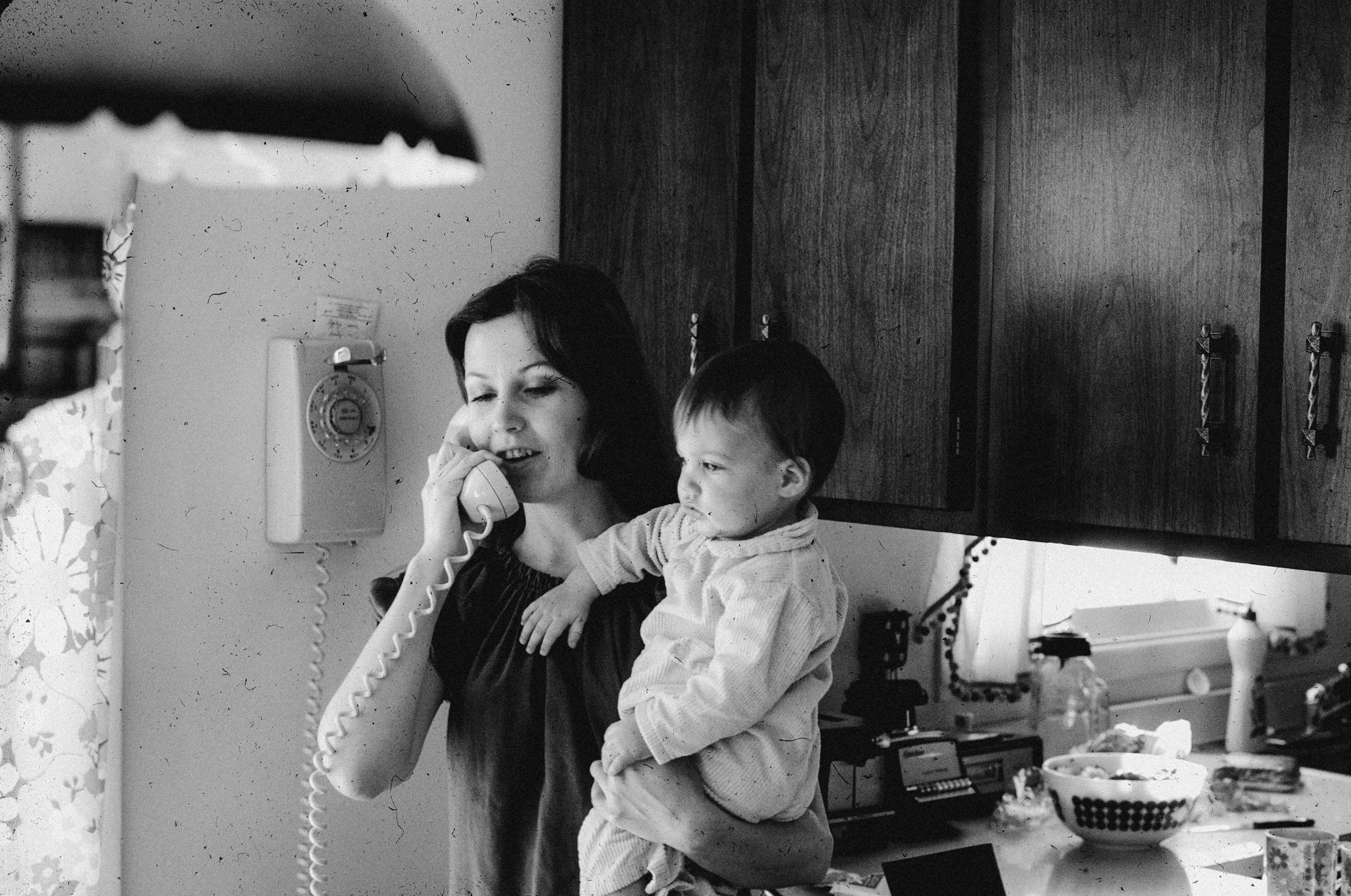
How to Calm Anxiety at Home (Without Overhauling Your Life)
This isn’t about becoming a different person or suddenly feeling completely relaxed. It’s about creating a little more space so everything doesn’t stay held internally.
Here are a few ways to start:
1. Notice when your mind starts speeding up
Instead of waiting until you feel overwhelmed, catch the moment your brain starts listing everything out. Even a simple acknowledgment can begin to slow the cycle.
2. Say things out loud instead of holding them in
A lot of anxiety comes from carrying everything mentally. Sharing even a small part of it can help. For example, “I have a lot in my head about tomorrow; can we look at it together for a minute?”
3. Pause before automatically taking everything on
That instinct to handle it yourself comes on quickly. Slowing that down and asking whether you actually need to carry it can start to shift the dynamic over time.
These are small shifts, but they begin to reduce the constant internal pressure.
Therapy for Anxiety in Moms: What Actually Helps
If you’re someone who is still functioning, still showing up, and still getting everything done—but feeling overwhelmed underneath it all—therapy can help you understand what’s driving that constant mental pressure.
In sessions, we focus on:
how mental load builds and stays internal
how anxiety shows up in your body and relationships
how to communicate what you need without it turning into conflict
and how to create patterns that feel more sustainable long-term
If you’ve also been noticing burnout alongside anxiety, you might find this helpful: How Burnout Shows Up in Your Body for Working Moms.
You Don’t Have to Keep Feeling Like This
There’s nothing wrong with you for feeling this way.
This is what it can look like when you’ve been carrying a lot mentally while still showing up for your work, your family, and your relationship.
But just because you’ve been able to keep up with it doesn’t mean it has to keep feeling like this.
Therapy for High-Achieving Moms in Texas
I’m Sanah, a Licensed Professional Counselor who works with ambitious, career-driven moms navigating anxiety, mental load, burnout, and relationship stress.
I offer virtual therapy across Texas, including:
Houston (River Oaks, West University Place, Memorial)
Dallas (Highland Park, University Park, Southlake, Coppell)
Austin (Westlake Hills, Tarrytown)
San Antonio (Alamo Heights, Terrell Hills)
If you’re looking for therapy for anxiety, postpartum support, or help navigating the mental load in your relationship, this is exactly the work I do.
If you’re ready to start therapy and get support, you can schedule a free 15-minute consultation.
Frequently Asked Questions
Why do I feel more anxious at home than at work?
Work provides structure and clear expectations, which keeps your mind focused. At home, there’s less structure but just as much responsibility, so your brain keeps running in the background trying to manage everything.
What is high-functioning anxiety in moms?
High-functioning anxiety often looks like being productive, organized, and reliable on the outside while feeling overwhelmed, tense, or mentally overloaded on the inside.
How does mental load affect anxiety?
When one person is holding most of the planning, remembering, and anticipating, it keeps their mind constantly active. Over time, that ongoing mental effort contributes to anxiety and feeling on edge.
Can therapy actually help if I’m still managing everything?
Yes. Therapy isn’t just for when things fall apart. It helps you understand what’s happening underneath the surface and gives you ways to feel more present, less reactive, and more supported.