
Burnout in Your Body as a Working Mom
Why You Feel Exhausted Even When You’re Still Functioning
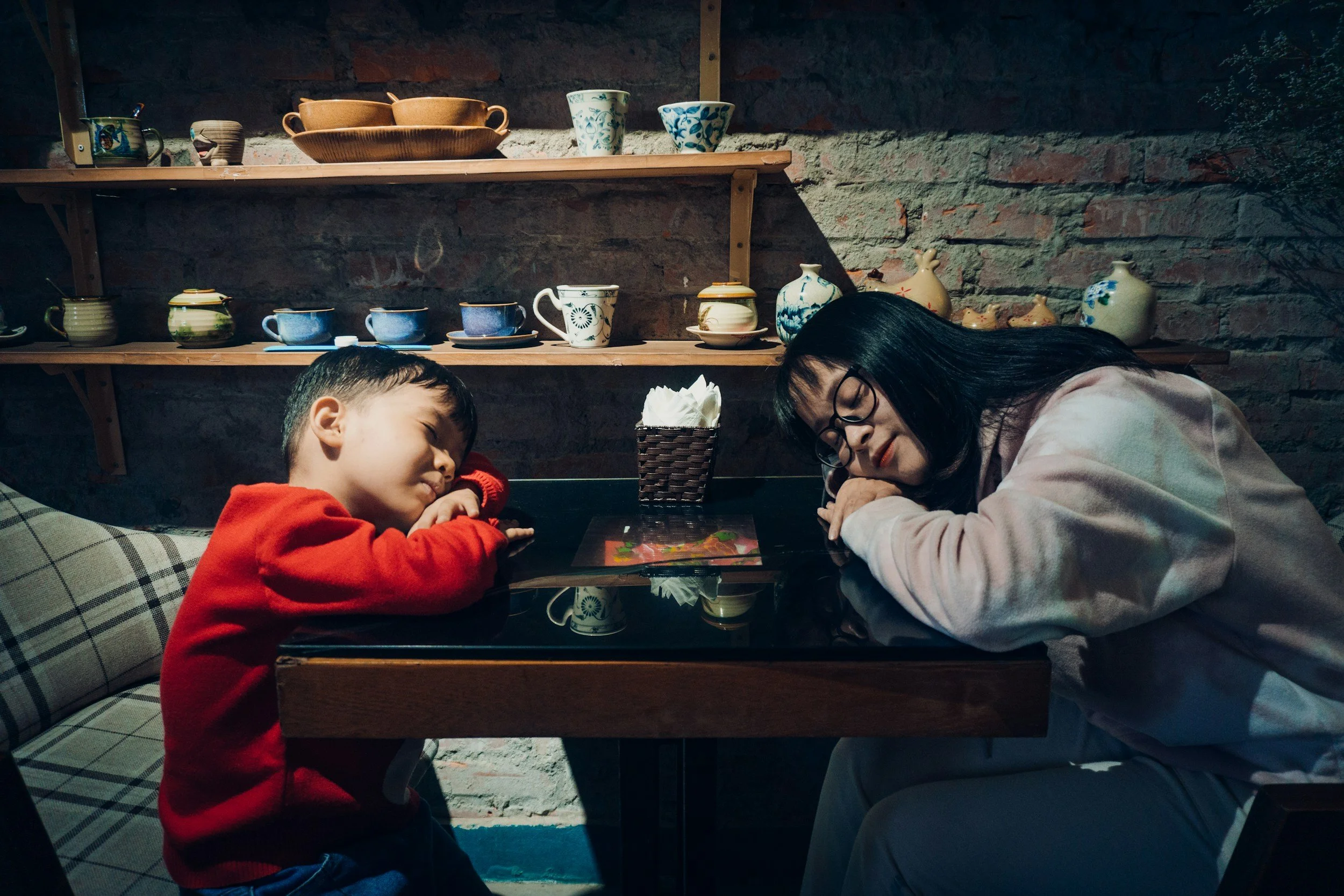
You wake up tired, even though you technically got enough sleep.
You move through your day the way you always do. You show up to work, handle what needs to get done at home, and keep things running. From the outside, nothing looks off, but your body feels different.
There’s a tension that doesn’t fully go away. Your shoulders feel tight before the day even starts, and by the evening, even small things take more effort than they used to.
It’s not that something big is wrong. It’s that everything feels heavier than it should.
What Burnout Looks Like for High-Achieving Moms
For many career-driven moms, burnout doesn’t look obvious. You’re still showing up to work, still taking care of what needs to get done at home, and still keeping everything moving. From the outside, it looks like you’re handling it.
But it feels different on the inside.
Your patience is shorter, your energy runs out faster, and even when you sit down, your body doesn’t fully relax. Things that used to feel simple take more effort, and at the end of the day, it’s harder to actually feel done. Your mind keeps going, even when everything else has stopped.
Because you’re still keeping up with everything, it’s easy to brush it off or tell yourself it’s just a busy season.
Physical Signs of Burnout You Might Be Ignoring
Burnout doesn’t just stay in your mind; it shows up in your body, often before you fully notice what’s going on.

It can look like:
tension in your shoulders, neck, or jaw that never really goes away
feeling tired even after you’ve technically had enough sleep
being exhausted but still feeling wired at night
struggling to focus or stay present, especially later in the day
feeling a low-level edge or irritability without a clear reason
After a while, it doesn’t even feel like a signal anymore, it just starts to feel like how you are.
Why Burnout Doesn’t Always Feel Obvious
When you’re used to being the one who stays on top of things, burnout doesn’t always register as something that needs attention.
You’re balancing work, home, your relationship, and everything in between, so it makes sense to keep going and assume this is part of the pace you’re in.
But burnout often feels less like stopping and more like continuing with less energy behind it. You’re still getting through your day, but it takes more out of you than it used to.
How Burnout Affects Your Mood and Relationships
When your body has been holding tension for a while, your capacity naturally shifts.
You may notice that you get irritated more quickly or that it’s harder to stay present in conversations. By the time you get to the evening, you may feel like you’re already at your limit, which makes small moments feel bigger than they are.
From the outside, this can look like being short or distant. Internally, it often feels like you’re already depleted before the moment even starts.
This is where many couples begin to feel disconnected. Not because there isn’t care or effort, but because one or both people are operating with very little capacity left.
If that dynamic sounds familiar, you might also relate to patterns like conversations going off track or feeling harder to repair.

Why It’s So Hard to Slow Down
The same habits that make you good at what you do can also make it harder to slow down.
You’re used to staying on top of things, thinking ahead, remembering what needs to happen next, and making sure nothing gets missed. So even when you finally sit down, your mind doesn’t. It starts running through tomorrow’s schedule, what you didn’t get to, or what still needs your attention.
Slowing down can feel uncomfortable, not because you don’t want it, but because your brain doesn’t know how to be in that space yet. So you keep going, because staying in motion feels more familiar than trying to slow everything down.
How to Recover from Burnout Without Overhauling Your Life
Recovery doesn’t have to mean stepping away from everything. It starts with small adjustments that reduce how much you’re carrying internally.
A few ways to begin:
1. Pay attention to physical cues earlier
Instead of waiting until you feel completely drained, notice when tension starts building in your body. Catching it earlier makes it easier to respond before you hit your limit.
2. Share what you’re holding instead of keeping it internal
A lot of burnout is tied to mental load. Saying something like, “I have a lot in my head right now and I’m starting to feel it,” can open the door to support without needing to explain everything perfectly.
3. Create small moments of pause during your day
Even brief pauses where you’re not thinking ahead or solving something can help your system reset. It doesn’t have to be long to make a difference.
These shifts are simple, but they start to change how your body carries stress from one part of your day to another.
Therapy for Burnout and Anxiety in Moms
If you’re still functioning but feeling worn down underneath it all, therapy can help you understand how burnout has been building and what’s keeping it in place.
In sessions, we focus on:
how stress is showing up in your body
how mental load contributes to burnout
how to communicate what you need without creating more tension
and how to create patterns that feel sustainable long-term
If you’re also noticing anxiety alongside burnout, you may find this helpful: Why You Feel On Edge at Home Even When Nothing Is Wrong.
You’re Not Meant to Push Through This Forever
There’s nothing wrong with you for feeling this way.
This is what it can look like when you’ve been carrying a lot for a long time while still showing up for everything that matters to you.
But just because you can keep going doesn’t mean your body isn’t asking for something different.
Therapy for High-Achieving Moms in Texas
I’m Sanah, a Licensed Professional Counselor who works with ambitious, career-driven moms navigating burnout, anxiety, mental load, and relationship stress.
I offer virtual therapy across Texas, including:
Houston (River Oaks, West University Place, Memorial)
Dallas (Highland Park, University Park, Southlake, Coppell)
Austin (Westlake Hills, Tarrytown)
San Antonio (Alamo Heights, Terrell Hills)
If you’re looking for therapy for burnout, anxiety, or support navigating the mental load at home and in your relationship, this is exactly the work I do.
🛋️ If you’re ready to start therapy and get support, you can schedule a free 15-minute consultation through the link in my bio or website.
Frequently Asked Questions
-
Stress usually connects to something specific, a busy week, a deadline, a rough stretch, and it eases once things settle. Burnout feels different. It sticks around even when your schedule looks manageable again. You still feel drained, your patience is lower, and things that normally wouldn’t bother you start to feel like too much. If you’re resting but not really feeling restored, that’s usually a sign it’s moved beyond stress.
-
When you’re carrying a lot for a long time, your body doesn’t just “turn off” when the day ends. It stays in that on-edge, always-thinking mode. That’s why it shows up as tight shoulders, trouble sleeping even when you’re exhausted, feeling wired at night, or like you can’t fully relax. It’s not random; it’s your body staying in a pattern it hasn’t had a chance to come down from.
-
By the time you’re home, you’ve already used most of your capacity, making decisions, managing responsibilities, and holding things together at work. There’s less left for patience or flexibility. So it’s not that you’re “more reactive” as a person, it’s that you’re running on very little margin, and even small things, like noise, interruptions, or one more request, can feel like too much.
-
Yes, and this is actually when it helps the most. A lot of high-achieving women don’t realize how much they’re carrying because they’re still getting everything done. Therapy gives you space to look at what’s underneath that constant pressure, how much you’re holding mentally, where you’re overextending, and what isn’t being shared. From there, we make small, practical shifts so you feel more supported and less like everything is sitting on you.