
The Mental Health Benefits of Practicing Gratitude: Therapy for Anxious Moms in Texas
Gratitude as a Grounding Practice for Overwhelmed Moms
Gratitude is often seen as a soft or surface-level practice, something you do in a journal or list out at Thanksgiving. But for many ambitious, high-achieving moms navigating stress, anxiety, and emotional overload, gratitude is more than a feel-good habit; it’s a powerful mindset shift. One that helps you feel more grounded in the midst of uncertainty, and more present in the moments that matter.
If you’re a mom who feels like your brain is constantly scanning for what’s next, what’s wrong, or what still needs to be done, practicing gratitude may feel… out of reach. But this isn’t about ignoring your reality or forcing toxic positivity. It’s about creating small moments of presence in a season of life that often feels overwhelming.
For many mothers, this constant mental load is deeply tied to past experiences, stress cycles, and unresolved emotional patterns. If you’ve ever wondered why your reactions feel bigger than the situation, exploring how trauma impacts mothers’ mental health can offer important clarity and grounding. Understanding these emotional layers makes it easier to build a gratitude practice that feels supportive instead of forced.
Gratitude, when approached gently, can open up space for regulation, self-compassion, and connection. Below, we’ll break down how gratitude supports emotional wellness, how to practice it in the middle of a full, demanding life, and how therapy helps this feel natural — not like one more thing on your to-do list.

Why Gratitude Improves Mental Health
Gratitude isn’t just a mindset; it’s something that actually changes your brain chemistry. Research from Harvard Medical School has shown that people who regularly practice gratitude experience more positive emotions, sleep better, and feel less lonely and isolated. According to a study published in Frontiers in Psychology, gratitude can reduce symptoms of anxiety and depression by rewiring the brain’s emotional processing centers and increasing resilience.
Here’s what happens neurologically:
Focusing on appreciation activates the prefrontal cortex, the part of the brain associated with decision-making, emotional regulation, and perspective
It decreases levels of cortisol (the stress hormone) over time
It increases dopamine and serotonin, neurochemicals linked to motivation, contentment, and connection
Translation: the more you train your brain to notice what’s working, the less likely it is to stay stuck in threat or survival mode.
And if you’re someone with postpartum anxiety, perfectionism, or people-pleasing tendencies, this shift can be a game-changer.
Simple Ways to Practice Gratitude Every Day
Let’s be honest: it’s hard to feel grateful when your brain is stuck in overdrive.
But gratitude doesn’t require big energy. It just requires intentionality. Here are ways to practice it even when you’re overwhelmed:
1. Start small and specific
Instead of “I’m grateful for my kids,” try: “I’m grateful for the way my toddler hugged me after her nap today.”
2. Tie it to an existing habit
Say one thing you’re grateful for while brushing your teeth or making coffee.
3. Try a gratitude jar with your partner or child
Write down one small win from the day and read them together at the end of the week.
4. Use voice notes instead of journaling
If writing feels like another task, try saying it aloud. This can feel more accessible on hard days.
5. Honor both-and moments
“I’m grateful to have a job I love and I’m exhausted from giving so much at work this week.” Gratitude and frustration can coexist.
Struggling to balance your mental load and self-care? Schedule a consultation to get support.

When Gratitude Feels Hard
Gratitude can feel inaccessible when you’re burned out, anxious, or constantly comparing yourself to other moms. That doesn’t make you ungrateful, it makes you human.
If you’ve ever thought:
“I should be thankful, but I still feel resentful.”
“Other moms seem to do this with less support, so I must be failing.”
“I have so much to be grateful for, why do I feel so empty?”
These are signs that something deeper may need tending. Gratitude isn’t about denying what’s hard. It’s about creating space to also acknowledge what’s holding you up.
This is especially true in motherhood, where emotional labor, identity shifts, and relationship strain can make even joyful moments feel heavy.
How Therapy Can Support a Gratitude Practice
If you’re someone who wants to practice gratitude but feels stuck in stress, therapy can help clear the path.
In therapy, we work on:
Untangling the guilt and pressure that keep you from feeling present or worthy
Noticing the good without minimizing your needs or your burnout
Building rituals that feel doable, not like another thing on your list
Healing the patterns that make you feel like joy must be earned
We use tools from CBT, attachment theory, interpersonal therapy, and relational therapy to reframe your inner dialogue, reduce reactivity, and support emotional regulation, so gratitude becomes a natural byproduct, not a forced effort.
Gratitude doesn’t erase what’s hard. But it helps you feel more resourced to face it.
Frequently Asked Questions (FAQs)
1. How can gratitude help with anxiety in motherhood?
Practicing gratitude redirects focus away from fear-based thinking and onto moments of connection and calm. For anxious moms, it can reduce overthinking and build emotional resilience.
2. What are the benefits of gratitude in postpartum or early motherhood?
Gratitude can ease feelings of isolation, soften perfectionism, and support identity shifts by anchoring you to what feels meaningful—even in moments of overwhelm.
3. Is it normal to feel resistant to gratitude when you’re overwhelmed?
Yes. It’s common to feel like gratitude is out of reach when you’re exhausted, burnt out, or stuck in comparison. That’s why support matters.
4. Can therapy really help me become more grateful?
Absolutely. Therapy helps you process the beliefs and stressors that block gratitude—and builds a mindset that’s more open to joy, rest, and enoughness.
5. Are there therapists in Texas who help moms with anxiety and burnout?
Yes. Balanced Minds Therapy offers virtual therapy for moms across Texas—including Houston, Austin, Dallas, San Antonio, and surrounding areas like River Oaks, Memorial City, Highland Park, Southlake, and Westlake Hills.
Start your own gratitude practice with support. Schedule a free consultation today.
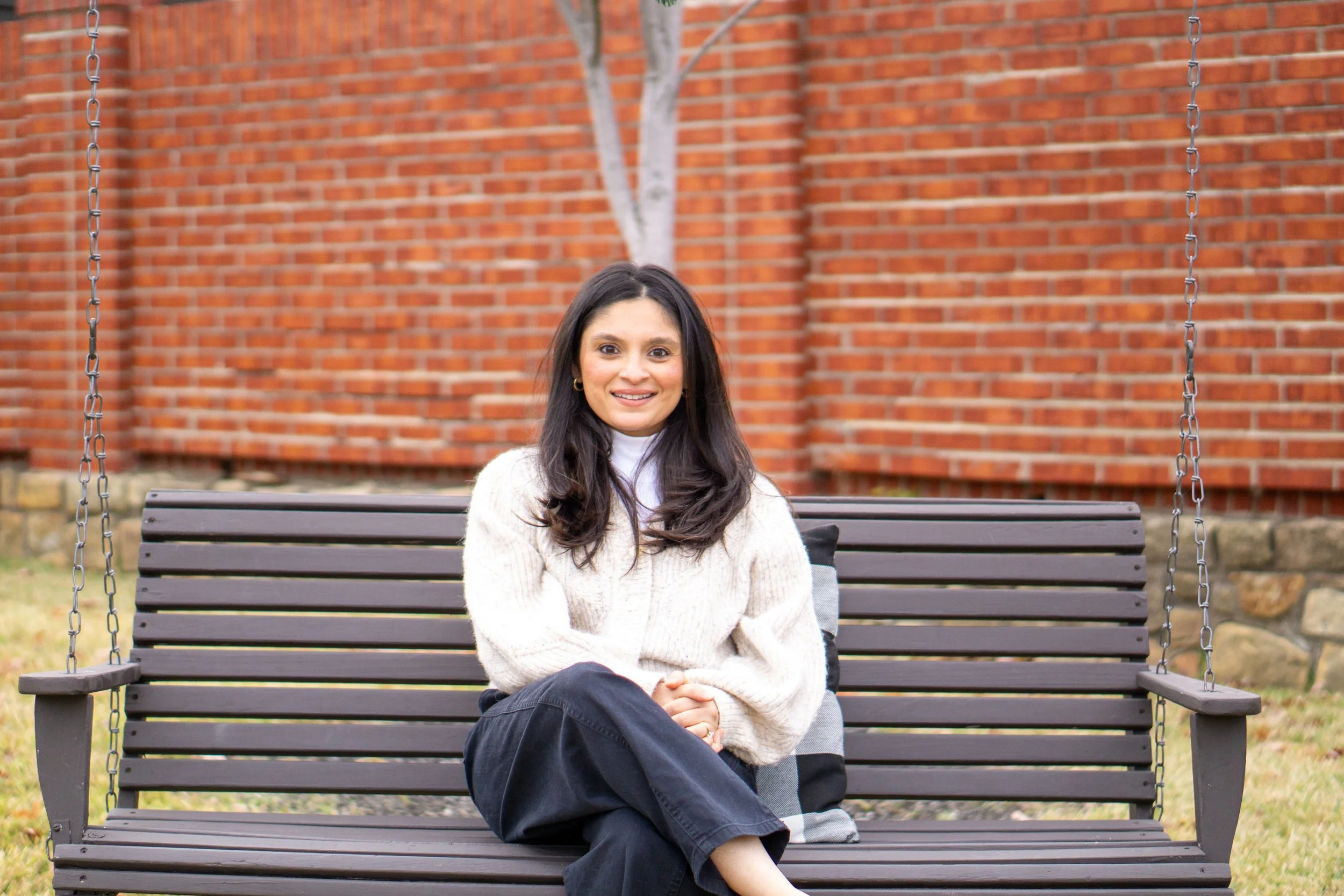
About Sanah
Sanah Kotadia is a licensed professional counselor and the founder of Balanced Minds Therapy. She supports ambitious, career-driven moms across Texas who are navigating anxiety, identity shifts, perfectionism, and postpartum mental health challenges. Her virtual practice serves clients in Houston, Dallas, Austin, San Antonio, and beyond.